Email Drip Campaign Automation: How to Build High-Converting Sequences
Learn how to create automated email drip campaigns that nurture leads, boost conversions, and drive revenue with proven strategies and real examples.
A single email rarely closes a deal. Prospects need time to learn about your brand, understand your value proposition, and build enough trust to take action. That is exactly why email drip campaigns are one of the most powerful tools in a marketer's arsenal. They deliver the right message at the right time, automatically, guiding prospects from initial awareness to confident purchase decisions without requiring manual follow-up.
This guide covers everything you need to create, optimize, and scale automated email drip campaigns that consistently convert.
What Is an Email Drip Campaign?
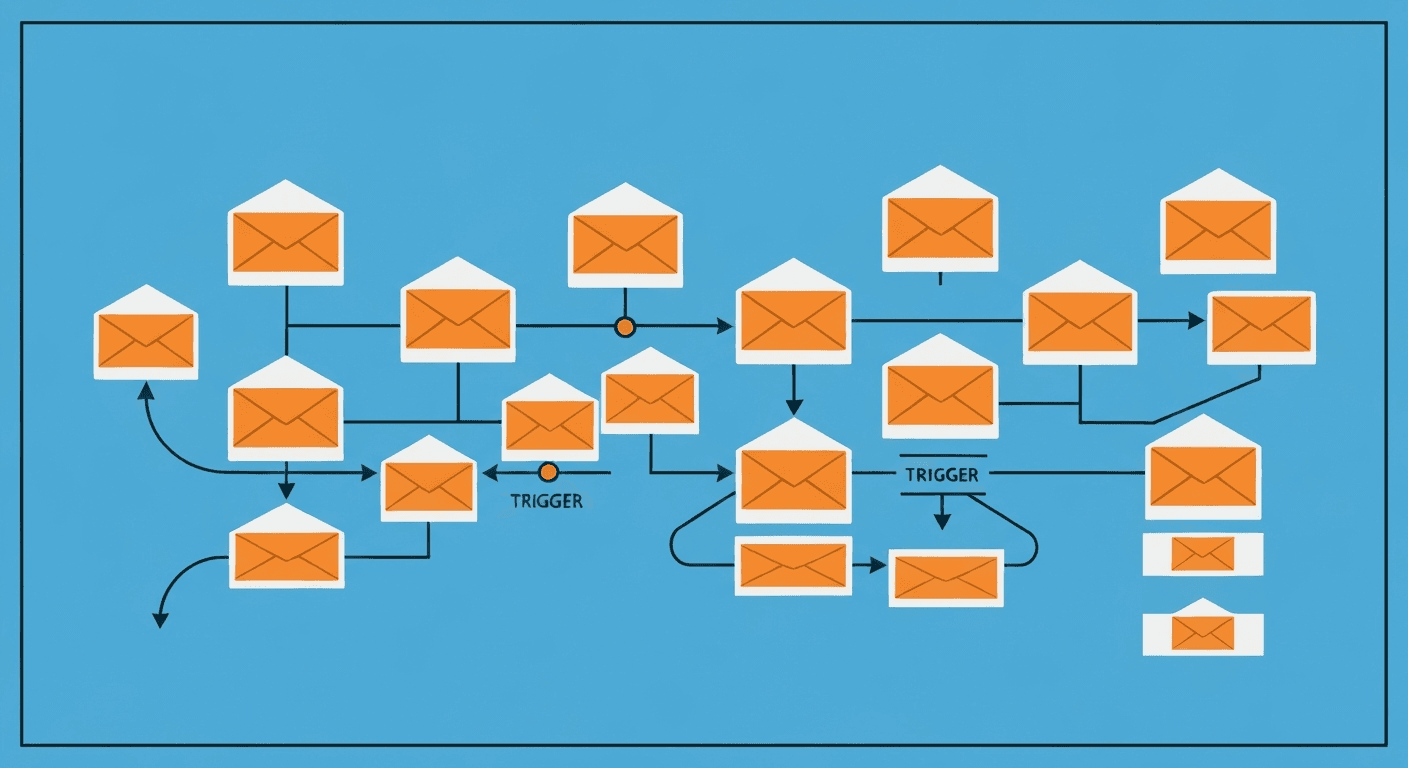
An email drip campaign is a series of pre-written, automated emails sent to subscribers on a predetermined schedule or triggered by specific actions. Unlike one-off email blasts, drip campaigns unfold over time, delivering a carefully sequenced narrative that moves recipients toward a desired action.
The term "drip" comes from the concept of drip irrigation, where water is delivered slowly and steadily rather than all at once. In marketing, this means providing value in measured doses rather than overwhelming prospects with everything you have to say in a single message.
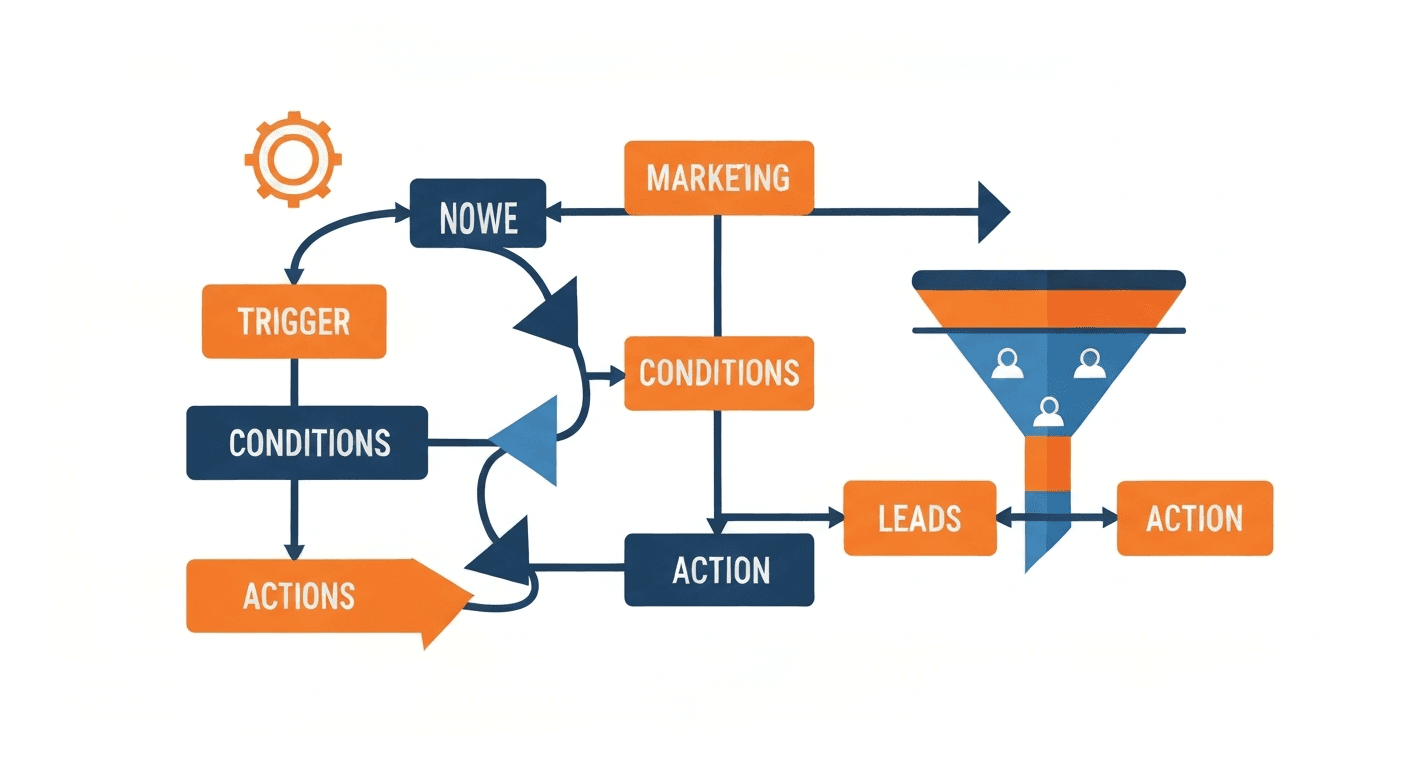
Drip campaigns are a core component of marketing automation workflows. They work within your broader automation system, triggered by events like form submissions, product purchases, content downloads, or behavioral signals detected by your platform.
Why Are Automated Drip Campaigns So Effective?
Drip campaigns consistently outperform batch email sends across every meaningful metric. Here is why they work so well.
They Meet Prospects Where They Are
Not every subscriber is at the same stage of the buying journey. A drip campaign adapts to the recipient's context. Someone who just signed up for your newsletter needs different content than someone who requested a product demo three days ago. By triggering sequences based on specific actions, you ensure that every email is relevant to what the prospect is doing and thinking right now.
They Build Relationships Over Time
Trust is not built in a single interaction. Drip campaigns create a structured cadence of communication that gradually demonstrates your expertise, addresses objections, and provides social proof. By the time a prospect reaches the end of a well-designed sequence, they feel like they know your brand and are far more likely to convert.
They Work While You Sleep
Once a drip campaign is built and activated, it runs on autopilot. Whether a new lead enters your funnel at 2 AM on a Saturday or during a Tuesday lunch break, the sequence begins immediately and proceeds without any manual intervention. This means your marketing engine is working around the clock, nurturing every lead with consistent quality.
They Generate Measurable Results
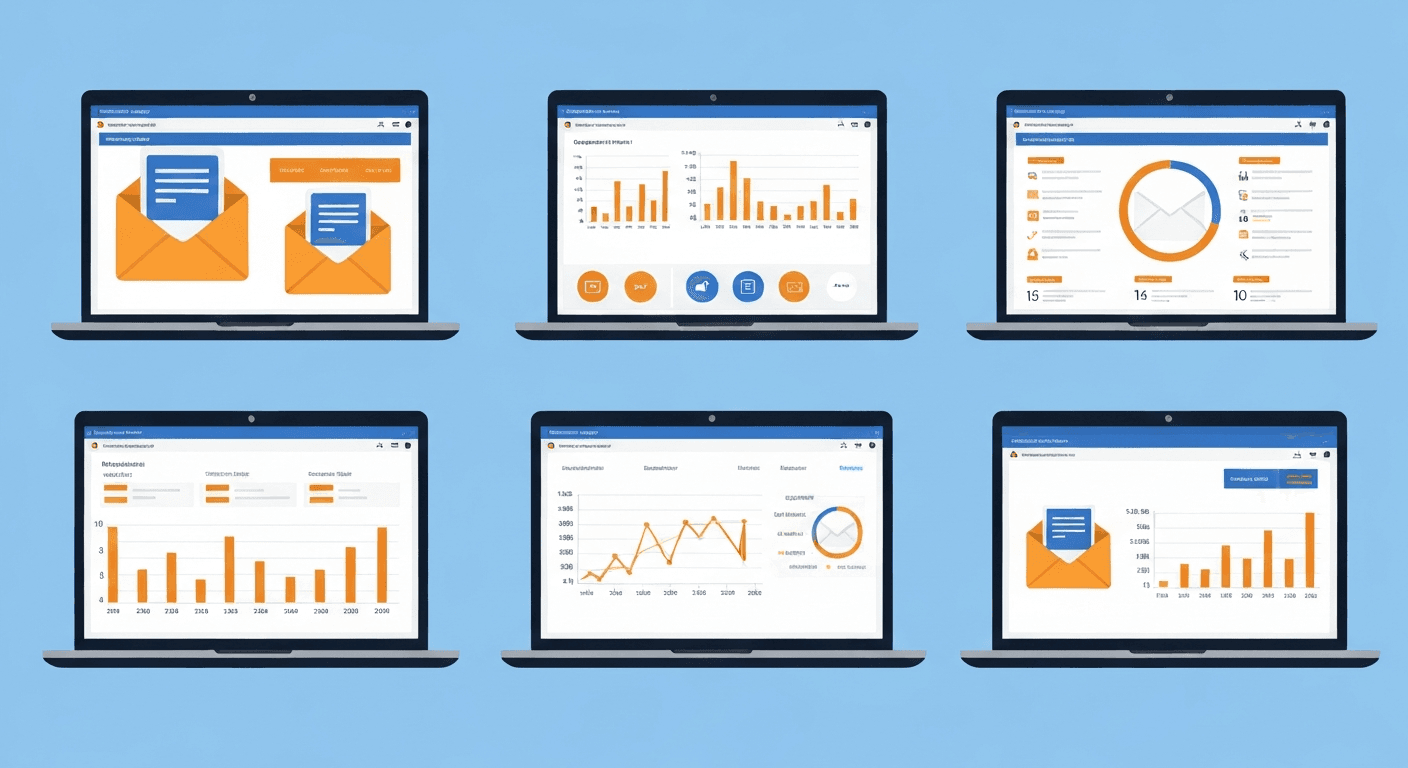
Every email in a drip sequence produces trackable data. Open rates, click-through rates, reply rates, and conversion rates for each message give you a detailed map of where prospects engage and where they drop off. This granular visibility makes it straightforward to identify weak points and optimize performance over time.
What Types of Drip Campaigns Should You Build?
Different business goals require different drip strategies. Here are the most common and effective types of automated email drip campaigns.
Welcome Series
A welcome series is triggered when someone first subscribes to your email list or creates an account. It sets the tone for the entire relationship and typically includes three to five emails that introduce your brand, deliver a promised lead magnet, highlight your most popular content or products, and set expectations for future communication.
Welcome emails have significantly higher open rates than regular marketing emails, making this sequence one of the highest-impact drip campaigns you can build.
Lead Nurture Sequence
The lead nurture sequence is designed for prospects who have shown interest but are not ready to buy. It delivers educational content, case studies, and thought leadership that builds credibility and keeps your brand top of mind. A typical nurture sequence runs five to ten emails over two to four weeks, gradually moving from educational content to more product-focused messaging.
This type of campaign pairs perfectly with lead scoring. As a prospect engages with nurture emails, their score increases, and when they cross a threshold, they can be automatically transitioned to a more sales-focused sequence.
Onboarding Drip
An onboarding drip helps new customers get started with your product or service. It walks them through setup, highlights key features, shares best practices, and ensures they reach their first "aha moment" as quickly as possible. Effective onboarding sequences reduce churn, increase product adoption, and lay the groundwork for future upsells.
Re-Engagement Campaign
Re-engagement drips target subscribers or customers who have gone inactive. They typically start with a soft touch, such as "We noticed you have not been around," then offer incentives, highlight new features or content, and finally give a clear option to unsubscribe. Cleaning inactive contacts from your list improves deliverability and ensures your metrics accurately reflect engaged audience performance.
Cart Abandonment Series
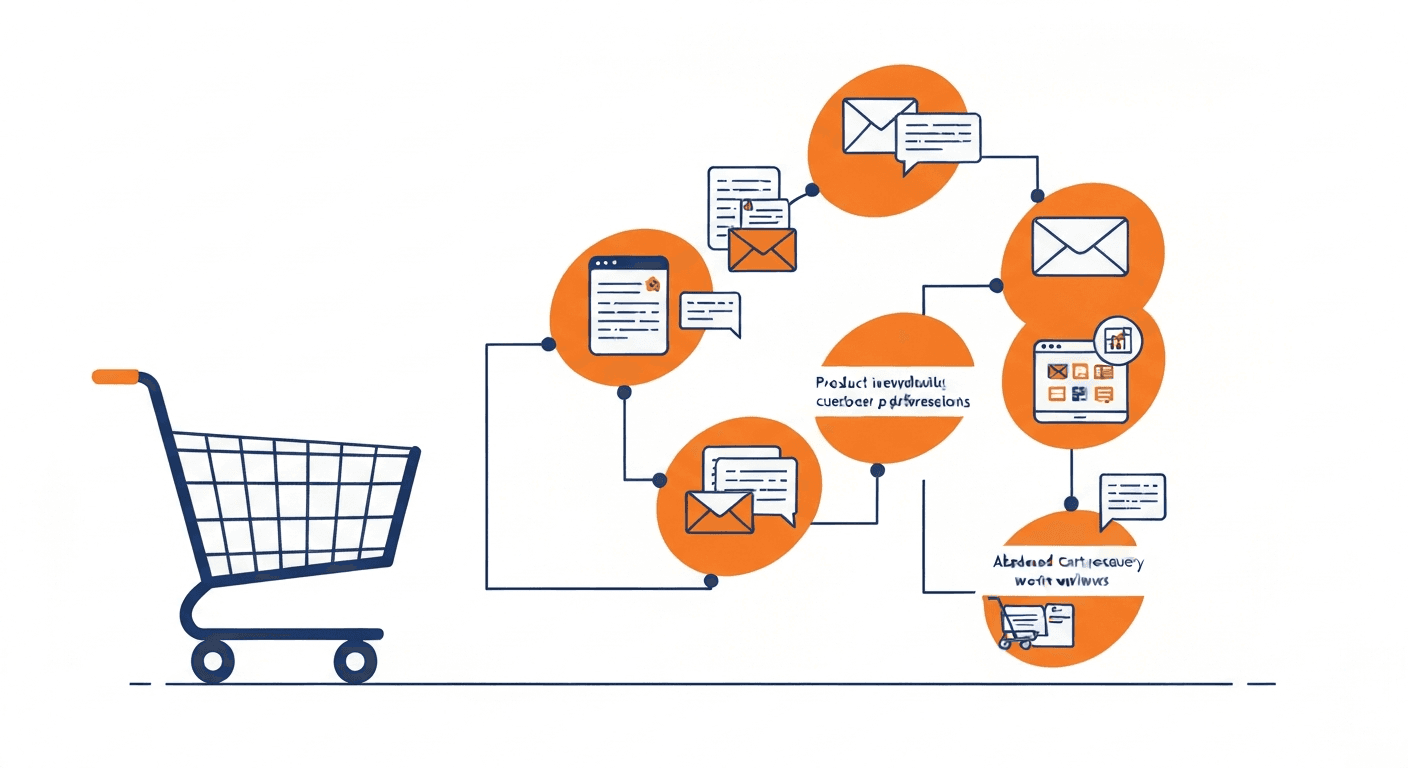
For e-commerce businesses, cart abandonment drips are essential revenue recovery tools. These sequences trigger when a shopper adds items to their cart but leaves without completing the purchase. A typical series includes a reminder email within one to two hours, a follow-up with social proof or product reviews after 24 hours, and a final email with a limited-time incentive after 48 to 72 hours. Read more about this in our e-commerce marketing automation guide.
Post-Purchase Follow-Up
A post-purchase drip maximizes the value of every customer by delivering order confirmations, shipping updates, usage tips, review requests, and cross-sell recommendations. These sequences strengthen the customer relationship and create opportunities for repeat business.
How Do You Build a High-Converting Drip Campaign?
Creating an effective drip campaign requires strategic thinking at every stage. Follow this step-by-step process.
Step 1: Define the Goal
Every drip campaign needs a single, clear objective. Are you trying to convert free trial users to paid subscribers? Nurture cold leads into sales-qualified prospects? Reduce onboarding time for new customers? Defining the goal upfront shapes every decision that follows, from content strategy to success metrics.
Step 2: Map the Audience Segment
Identify exactly who will receive this sequence. The more specific your segment, the more relevant your messaging can be. Instead of targeting "all leads," narrow it down to something like "marketing managers at SaaS companies with 50 to 200 employees who downloaded the automation ROI guide." Use your automation platform's segmentation tools to define these audiences precisely.
Step 3: Plan the Sequence Structure
Decide how many emails your drip will include and what each one needs to accomplish. A proven framework for a lead nurture drip looks like this:
- Email 1 (Day 0): Deliver the promised resource and set expectations for the series.
- Email 2 (Day 2): Share a relevant educational article or video that addresses a common pain point.
- Email 3 (Day 5): Present a case study or success story that demonstrates your product solving the same pain point.
- Email 4 (Day 8): Address the most common objections your sales team hears and counter them with evidence.
- Email 5 (Day 12): Make a direct offer with a clear call to action, such as booking a demo or starting a free trial.
- Email 6 (Day 16): Follow up with urgency or a time-sensitive incentive for those who did not convert.
Step 4: Write Compelling Copy for Each Email
Drip campaign copy should follow several core principles:
- Lead with value. Every email should give the reader something useful, whether it is an insight, a tool, a template, or a new way of thinking about their problem.
- Write like a human. Conversational, direct language outperforms corporate jargon every time. Write as if you are sending a helpful email to a colleague.
- One email, one goal. Each message should have a single primary call to action. Do not ask the reader to download a guide, watch a webinar, and book a demo in the same email.
- Use subject lines that earn the open. Your subject line is the most important line of copy in the entire email. Make it specific, curiosity-driven, and relevant to the content inside. Avoid clickbait that creates a mismatch between expectation and delivery.
- Keep it scannable. Use short paragraphs, bold key phrases, bullet points, and subheadings to make your emails easy to skim.
Step 5: Configure Triggers and Timing
Set up the automation triggers that initiate the drip sequence. Common triggers include:
- Form submissions (newsletter signups, content downloads, demo requests)
- Purchase events (completed orders, subscription starts)
- Behavioral signals (visited pricing page three times, watched a product video)
- Inactivity (no login for 30 days, no email engagement for 60 days)
- Score thresholds (lead score crosses a predefined value)
For timing between emails, start with intervals that give recipients time to read and act on each message without losing momentum. Two to four days between emails works well for most nurture sequences. Shorter intervals of one to two days are appropriate for time-sensitive sequences like cart abandonment.
Step 6: Set Up Exit Conditions
Exit conditions are rules that remove contacts from a drip sequence when they are no longer appropriate recipients. This is critical for a good subscriber experience. Common exit conditions include:
- The contact converts (books a demo, makes a purchase, starts a trial)
- The contact unsubscribes or requests to stop
- The contact enters a different, higher-priority sequence
- The contact's lead score drops below a minimum threshold
Without proper exit conditions, you risk sending irrelevant emails that frustrate subscribers and damage your brand reputation.
How Do You Optimize Drip Campaigns for Higher Conversions?
Building the initial sequence is just the starting point. Continuous optimization is what separates good drip campaigns from great ones.
Monitor Email-Level Metrics
Track open rates, click-through rates, and conversion rates for every individual email in the sequence. Look for patterns. If Email 3 has a sharp drop in open rates, the subject line needs work or the timing is off. If Email 5 has high opens but low clicks, the call to action is not compelling enough.
A/B Test Systematically
Test one variable at a time to isolate what drives improvement. Prioritize tests on:
- Subject lines (the highest-leverage element for open rates)
- Send times (test different days and times for each email in the sequence)
- Call-to-action copy and placement (button text, link placement, number of CTAs)
- Email length (short and punchy versus detailed and comprehensive)
- Content format (text-only versus designed HTML, video versus static images)
Analyze Drop-Off Points
Pay close attention to where contacts disengage. If the majority of unsubscribes happen after Email 4, the content at that point may be too aggressive or irrelevant. If conversion rates spike after Email 3 but the remaining emails add no additional conversions, consider shortening the sequence or changing the approach for later messages.
Use Behavioral Branching
Advanced drip campaigns use behavioral branching to create different paths based on how recipients interact with each email. A contact who clicks through to your pricing page might skip the next two educational emails and jump directly to a sales-focused message. A contact who does not open any emails might be branched into a re-engagement path with different subject line strategies. This kind of responsive sequencing dramatically improves relevance and conversion rates.
Refresh Content Regularly
Drip campaigns should not run unchanged for years. Review and update your sequences at least quarterly. Replace outdated statistics, refresh case studies, update product references, and incorporate new insights from customer feedback and sales conversations. Content that felt fresh six months ago can feel stale to new subscribers entering the sequence today.
What Mistakes Should You Avoid with Email Drip Campaigns?
Several common mistakes can undermine even well-planned drip campaigns. Steer clear of these pitfalls.
- Sending too many emails too fast. Aggressive cadences trigger unsubscribes and spam complaints. Respect your subscribers' inboxes.
- Neglecting mobile optimization. Over half of all emails are opened on mobile devices. If your emails are not readable on a phone screen, you are losing half your audience.
- Forgetting personalization. Beyond using the recipient's name, personalize based on their behavior, industry, role, and past interactions. Generic content gets generic results.
- Ignoring deliverability. A drip campaign that lands in the spam folder has zero ROI. Monitor your sender reputation, authenticate your domain, and maintain list hygiene.
- Skipping the welcome sequence. The moment someone subscribes is when engagement and trust are highest. Not capitalizing on that window is a significant missed opportunity.
For more on common pitfalls, see our article on marketing automation mistakes to avoid.
How Do You Measure Drip Campaign Success?
Track these key performance indicators to assess the effectiveness of your drip campaigns and guide optimization efforts.
- Sequence completion rate: The percentage of contacts who receive every email in the sequence without unsubscribing or being removed by an exit condition.
- Overall conversion rate: The percentage of contacts who enter the sequence and complete the desired action, whether that is a purchase, demo booking, or trial signup.
- Revenue per contact: Total revenue generated by the sequence divided by the number of contacts who entered it.
- Time to conversion: How long it takes from sequence entry to conversion, which helps you understand whether the pacing is right.
- Unsubscribe rate per email: Identifies which specific messages are causing list attrition.
- Engagement trend: Whether open and click rates are increasing, steady, or declining across the sequence, which indicates whether you are maintaining interest or losing it.
These metrics feed directly into your broader marketing automation ROI calculation, helping you quantify the exact value that drip campaigns contribute to your business.
Final Thoughts on Email Drip Campaign Automation
Automated email drip campaigns are one of the highest-returning investments in modern marketing. They nurture relationships at scale, deliver personalized value on autopilot, and generate measurable revenue with every sequence. The key is to start with a clear goal, build a thoughtful sequence, write copy that resonates with your specific audience, and then test and optimize relentlessly.
Whether you are building your first welcome series or refining a sophisticated multi-branch nurture flow, the principles in this guide will help you create drip campaigns that convert. If you are looking for the right platform to power your campaigns, our roundup of the best email marketing automation tools can help you find the perfect fit.
Harry Harrison
Founder & Editor, Easy Automation
Tech-forward B2B writer and content strategist focused on marketing and finance automation.